DIY versus professional cleaning which option suits UK properties
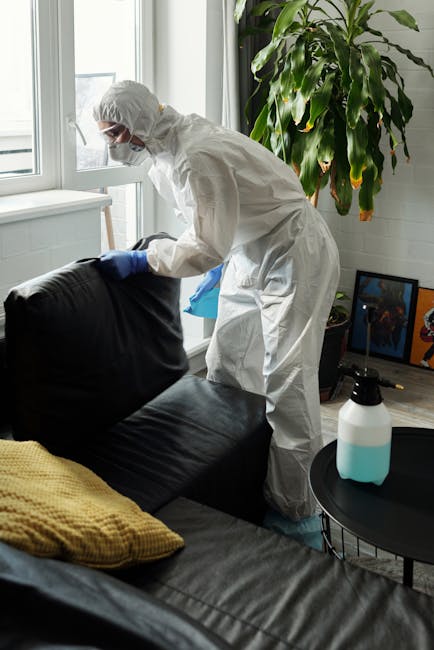
If you are weighing up DIY versus professional cleaning which option suits UK properties, you are probably trying to answer a very normal question: can you do a good enough job yourself, or is it worth bringing in the pros? For a flat in Leeds, a family house in Manchester, or a rental in London that needs to look spotless before a move, the answer is rarely black and white. Some jobs are straightforward on a Saturday morning. Others are messy, time-heavy, and frankly a bit of a battle.
This guide breaks the decision down properly. You will see where DIY cleaning makes sense, where professional help earns its keep, how to judge the real cost of each option, and what UK property owners, tenants, landlords, and letting agents usually expect. No fluff. Just the practical stuff that helps you decide with confidence.
Why DIY versus professional cleaning which option suits UK properties Matters
Cleaning decisions sound simple until you are the one standing in a kitchen at 8pm, wondering why the oven still smells faintly burnt and the sink is somehow greyer than before. The reality is that cleaning affects more than appearance. For UK properties, it can influence tenancy handovers, buyer viewings, insurance expectations, hygiene, and the general wear and tear on surfaces and fittings.
DIY cleaning is usually the first instinct because it feels cheaper and more flexible. That is fair. But professional cleaning is not just about convenience. A properly trained cleaner brings process, equipment, and experience that can change the result completely, especially on carpets, ovens, grout, upholstery, and end of tenancy jobs.
What matters most is matching the method to the property and the outcome you need. A quick refresh before guests arrive is one thing. Restoring a lived-in rental after years of cooking, pets, and daily traffic is another. Different jobs, different tools, different expectations. Simple as that, really.
In UK housing, expectations can be surprisingly high. A tenant may think "clean enough" is fine, while a landlord or agent may be looking for a much more detailed finish. That gap is where disputes start. Choosing the right cleaning route early can save money, time, and a fair bit of stress later.
How DIY versus professional cleaning which option suits UK properties Works
At a basic level, DIY cleaning means you provide the time, equipment, and effort. Professional cleaning means you pay for labour, know-how, and often more powerful tools or specialist products. That sounds obvious, but the way each option works is quite different once you get into the details.
How DIY cleaning usually works
DIY cleaning is built around your own schedule. You choose the products, decide the order, and handle the physical work yourself. For many homes, this is perfectly workable. If you keep on top of things, you can do a lot with a decent vacuum, microfiber cloths, a good degreaser, and a bit of patience.
The catch is consistency. Most people clean in bursts. One weekend the bathroom gets scrubbed properly, the next week it is only a quick wipe and the mirror gets left because the phone rings, dinner burns, or the dog decides the garden mud should be in the hall. Life, basically.
How professional cleaning usually works
Professional cleaning services follow a structured process. A cleaner or team assesses the property, identifies problem areas, and uses methods suited to the surface and level of dirt. In many cases, they bring equipment you do not keep at home, such as carpet extraction machines, steam tools, or specialist upholstery products.
For more intensive jobs, services like deep cleaning, end of tenancy cleaning, oven cleaning, or carpet cleaning can be more efficient than trying to tackle everything yourself with supermarket sprays and a lot of elbow grease.
Professional cleaning is also more likely to follow a repeatable standard. That matters in rental properties, offices, and homes where someone else will inspect the result. In other words, it is not just about making things look neat from the doorway.
Key Benefits and Practical Advantages
There is no single winner here. The better option depends on what you value most: cost, control, speed, quality, or peace of mind. Still, both routes have clear strengths.
Benefits of DIY cleaning
- Lower upfront cost: you are mainly paying for products and your own time.
- Full control: you decide what gets cleaned, when, and how thoroughly.
- Flexible pacing: you can do a bit each day rather than block out a full appointment.
- Good for routine upkeep: weekly dusting, hoovering, and bathroom maintenance are ideal DIY tasks.
- Immediate action: if a spill happens at 7am, you do not need to wait for anyone else.
Benefits of professional cleaning
- Better for heavy build-up: grease, limescale, embedded dirt, and stubborn odours often need specialist treatment.
- Time-saving: useful when you have work, family, or a move to manage.
- Consistent finish: helpful for landlords, sellers, and tenants needing a handover-ready property.
- Right tools for the job: steam, extraction, and specialist products can make a big difference.
- Reduced risk of mistakes: less chance of damaging delicate surfaces with the wrong product or technique.
There is also a psychological benefit people do not always mention. A professional clean can reset a property in a way that feels genuinely fresh. You notice it the moment you walk in: the air is lighter, the skirting boards actually look clean, and the place feels less tired. That can matter a lot in a home, not just in a rental.
Who This Is For and When It Makes Sense
This decision is not just for landlords or tenants. It affects homeowners, estate agents, property managers, and even house sharers who are tired of arguing about the bathroom bin. Different people need different answers.
DIY cleaning makes sense if you are:
- keeping a home in regular weekly order
- cleaning a small property with light dirt build-up
- working to a tight budget and have time to spare
- maintaining a space between professional cleans
- dealing with low-risk tasks like dusting, mopping, and surface wiping
Professional cleaning makes more sense if you are:
- moving out of a rental and need a strong finish for inspection
- preparing a property for sale or new tenants
- facing stubborn stains, grease, mould spots, or strong odours
- looking after a larger property with many rooms and surfaces
- short on time and need a job done properly, not half done
There is also the property itself to think about. A modern flat with laminate floors and simple fittings is not the same as a period house with original woodwork, delicate fabrics, and fussy corners everywhere. Older homes can be lovely. They can also be a bit demanding, to put it kindly.
If you manage offices as well as homes, the logic shifts again. Services such as office cleaning or domestic cleaning may be more appropriate where ongoing standards matter more than one-off effort.
Step-by-Step Guidance
If you are not sure how to choose, use a simple process. It is easier than trying to judge the whole thing in your head while staring at a half-clean bathroom mirror.
- Define the outcome you need. Is this routine maintenance, a one-off refresh, or a handover-level clean?
- List the problem areas. Oven? Carpet stains? Limescale? Bathroom grout? Window frames?
- Estimate the time involved. Be honest. If you think it will take two hours, it may take five.
- Check your tools. Do you actually have what you need, or will you spend the afternoon shopping for it?
- Consider the surface risk. Natural stone, upholstery, and some flooring types can be damaged by the wrong product.
- Decide whether a specialist clean is justified. Heavy dirt or a strict inspection usually tips the balance toward professionals.
- Compare total cost, not just cash outlay. Include your own time, effort, and the chance of redoing the job.
A practical rule of thumb: if the job is visible, technical, or likely to be judged by someone else, professional help becomes more attractive. If it is part of normal upkeep and you know what you are doing, DIY is often enough.
For example, a homeowner might handle weekly kitchen cleaning themselves but book an oven cleaner before guests arrive for Christmas. That is a sensible blend, not a compromise.
Expert Tips for Better Results
Whether you do the work yourself or hire help, a few practical habits can improve the result quite a bit.
- Work from top to bottom. Dust falls, so clean shelves, then surfaces, then floors.
- Do one room at a time. It keeps the job manageable and makes progress visible.
- Use the least aggressive product first. Strong chemicals are not always the answer.
- Test on a small hidden patch. Especially on upholstery, painted trim, and natural stone.
- Allow drying time. Rushing can undo good work, especially on carpets and upholstery.
- Fresh air helps. Open windows where possible; the room always feels better after.
If you are cleaning carpets, rugs, or sofas, patience matters. Deep-set dirt does not vanish because you attack it dramatically for three minutes. It usually needs pre-treatment, the right moisture level, and a careful finish. In that sense, upholstery cleaning and rug cleaning are classic jobs where experience pays off.
One useful tip from real life: start with the most hated task. Weirdly, the rest feels easier once that awful one is done. The oven, for instance, has a way of dominating the whole mood of a clean.
Common Mistakes to Avoid
Most cleaning mistakes are avoidable. They just happen because people are tired, rushed, or trying to save money in the wrong place. Truth be told, we have all been there.
- Using the wrong product on the wrong surface. Bleach on delicate materials, harsh degreasers on finishes, and strong solvents on upholstery can cause damage.
- Skipping preparation. A cluttered room takes longer to clean and is easier to miss.
- Rushing end of tenancy jobs. These usually need detail, not speed.
- Forgetting hidden areas. Behind appliances, skirting edges, extractor fans, and tops of cupboards often get overlooked.
- Assuming "looks clean" means "is clean." In rentals, inspection standards can be much stricter than a casual glance.
- Not budgeting for specialist tasks. If the carpet, oven, or bathroom is badly neglected, DIY may become false economy.
Another common one: starting too late. You think you have a whole day, then the stairs take longer than expected, and suddenly it is 9pm and you are still scrubbing the hob while muttering at a stubborn grease mark. Not ideal.
Tools, Resources and Recommendations
You do not need a van full of kit to keep a property clean, but having the right basics makes DIY much more realistic.
Useful DIY cleaning basics
- microfiber cloths for dust and general wiping
- vacuum cleaner with attachments
- mop and bucket suitable for your floor type
- non-scratch sponges and brushes
- glass cleaner for mirrors and windows
- general purpose cleaner and a degreaser
- gloves, especially for heavier jobs
Useful professional services to consider
- one-off cleaning for a reset before guests, tenants, or a new season
- house cleaning for broader residential upkeep
- window cleaning when frames and glass need a proper finish
- carpet cleaner support for heavy traffic areas and stains
- after builders cleaning when dust and debris are on a completely different level
Resource-wise, many property owners also benefit from a simple cleaning schedule. It does not have to be fancy. A notebook, spreadsheet, or phone reminder system is enough. Break tasks into daily, weekly, monthly, and seasonal jobs. That small bit of structure stops grime from turning into a weekend-eating monster.
Law, Compliance, Standards, or Best Practice
For most homes, cleaning is not heavily regulated in the way construction or food work can be, but there are still sensible UK best practices to follow. If you hire a professional service, it is reasonable to expect proper insurance, safe working methods, and products used responsibly. That matters especially in properties with children, pets, elderly residents, or fragile finishes.
In rental situations, cleanliness is often tied to tenancy agreements and inventory expectations rather than one single nationwide rule. A tenant's responsibility is usually to return the property in the condition required by the contract, allowing for fair wear and tear. That means the standard can be higher than people expect, and it is wise to document the property with photos before and after cleaning.
For landlords and agents, good practice includes clear communication about what level of cleanliness is expected, what has been cleaned already, and where specialist work may be needed. If a property has mould, damp odours, or a damaged surface, cleaning alone may not solve the root cause. It is better to identify the source than keep masking the symptoms.
Professional providers should also take safety seriously. That includes product handling, equipment care, and awareness of surface compatibility. If you want to learn more about standards and safe working approaches, pages like health and safety policy, insurance and safety, and terms and conditions can give useful reassurance before booking.
Best practice, in plain English, is simple: use the right method for the job, protect the property while cleaning it, and do not cut corners where damage or disputes could follow. Sensible enough.
Options, Methods, or Comparison Table
Here is the clearest side-by-side view of DIY versus professional cleaning for UK properties.
| Factor | DIY cleaning | Professional cleaning |
|---|---|---|
| Upfront cost | Usually lower | Higher, but includes labour and expertise |
| Time required | Depends on your schedule; often longer overall | Usually faster from the homeowner's point of view |
| Equipment | Basic household tools | Specialist tools and products often included |
| Best for | Routine maintenance and light to moderate cleaning | Deep cleans, move-outs, specialist jobs, and strict standards |
| Risk of error | Higher if you use the wrong products or techniques | Lower if the company is experienced and insured |
| Consistency | Variable, depending on your time and energy | More consistent, especially for inspection-ready results |
| Best value | When the job is simple and you already have the tools | When the job is technical, time-sensitive, or heavily soiled |
If you want the short version: DIY is usually the cheaper maintenance route, while professional cleaning is the stronger option for results that need to be reliable, thorough, and less stressful.
Case Study or Real-World Example
Here is a typical scenario. A tenant in a two-bedroom flat in Bristol is moving out on Friday. The kitchen is tidy, but the oven has built up grease, the carpet in the living room has a few marks, and the bathroom grout is looking tired. The tenant has two evenings and one free Saturday morning. Doable? Maybe. Comfortable? Not really.
If they try DIY, they may spend hours on the oven alone, then realise the carpet still needs attention and the bathroom is not quite there. The whole process becomes stop-start, and the final finish may still not satisfy an inventory check.
If they book a professional clean, they can focus on packing, key handover, and paperwork while the difficult jobs are handled more systematically. A service built around end of tenancy cleaning is often the better fit in this sort of situation because it is designed for inspection pressure, not just surface tidiness.
The same idea applies to homeowners before a sale. A DIY tidy-up may be enough if the property is already clean and presentable. But if you need to make a strong first impression on a buyer at 10am on a damp Tuesday, a more thorough professional finish can help the property feel cared for. Buyers notice that. They always do, even if they do not say it out loud.
Practical Checklist
Use this checklist before deciding whether to clean yourself or hire a professional.
- Is the job routine or specialist?
- Is the property being inspected, sold, or handed over?
- Do you have the right tools and products already?
- Is there heavy dirt, grease, limescale, or odour build-up?
- Could the wrong method damage the surface?
- Do you have enough time to finish without rushing?
- Would a consistent, documented result reduce stress?
- Is there a budget for specialist help if needed?
- Do you need multiple tasks done in one visit?
- Would booking a pro save you more time than doing it yourself?
Quick decision rule: if the job is simple, low-risk, and part of normal upkeep, DIY is usually fine. If the job is detailed, time-sensitive, or likely to be judged against a standard, professional cleaning is often the safer choice.
Get a free quote today and see how much you can save.
Conclusion
The real answer to DIY versus professional cleaning which option suits UK properties is that both have a place. DIY is ideal for regular maintenance, smaller jobs, and people who like staying in control. Professional cleaning is better when the property needs a deeper reset, the standard matters, or time is tight and the stakes are higher.
Most UK property owners and tenants end up using a mix of both. That is often the smartest approach. Keep on top of the day-to-day jobs yourself, then bring in specialist help when the work becomes technical, heavy, or too important to risk.
Choose the method that protects your time, your surfaces, and your peace of mind. That is the part people remember, not whether the mop bucket was cheap or fancy. And to be fair, a clean home just feels better at the end of the day.
Frequently Asked Questions
Is DIY cleaning enough for most UK homes?
For routine upkeep, yes, usually it is. Vacuuming, dusting, kitchen wiping, and bathroom maintenance are all manageable DIY tasks in most homes. The difficulty starts when dirt builds up, surfaces need specialist care, or the property must meet a higher inspection standard.
When is professional cleaning worth the money?
Professional cleaning is worth considering when the job is time-heavy, specialist, or likely to be checked closely. End of tenancy cleans, oven deep cleans, carpet cleaning, and post-renovation work are classic examples. If the result needs to be consistent and thorough, it often pays off.
Is professional cleaning better than doing it myself?
Not always. Better for what, exactly? If the task is simple, DIY can be perfectly adequate. If the task is technical or messy, professional cleaning usually gives a better finish and reduces the chance of damage or missed areas.
What cleaning jobs are safest to do yourself?
General dusting, vacuuming, mopping, wiping surfaces, and light bathroom or kitchen cleaning are usually safe DIY jobs. These are routine tasks that most people can handle with standard household products and a bit of care.
What cleaning jobs should I leave to professionals?
Heavy oven grease, deep carpet stains, mould-prone areas, delicate upholstery, after-builders dust, and move-out cleans are all jobs where professional help can be the better option. They often need special products, stronger equipment, or a very specific method.
How do I know if my rental needs a professional clean?
If you are moving out and the property has visible grime, odours, stubborn marks, or several rooms that need attention, a professional clean may be sensible. Tenancy agreements and inventories can create higher expectations than a normal home tidy.
Does hiring a cleaner save time in the long run?
Usually, yes. Even if the booking itself takes a bit of planning, professional cleaners can often complete a job much faster than one person doing it alone. That matters a lot if you are juggling moving day, work, or family commitments.
Are professional cleaners more expensive than DIY?
In direct cash terms, yes, usually they are. But that does not tell the whole story. You also need to factor in your own time, the cost of products and equipment, and the risk of having to redo the job later if the result is not good enough.
Can I combine DIY and professional cleaning?
Absolutely, and in many homes that is the best approach. Do the regular upkeep yourself, then book specialists for tasks like carpet care, oven cleaning, or a one-off deep clean when the property needs a higher standard.
What should I check before booking a cleaning company?
Look for clear pricing, a sensible scope of work, and evidence of safe working practices. It also helps to check whether the company offers the specific service you need, whether it is domestic cleaning, deep cleaning, or something more specialist like window or upholstery cleaning.
How far in advance should I book a professional clean?
As soon as you know the date, especially for moves, rentals, or seasonal rush periods. Good providers can get busy quickly, and leaving it too late can force you into a rushed DIY job when you would rather not be scrubbing skirting boards at midnight.
What is the biggest mistake people make when choosing between DIY and professional cleaning?
The biggest mistake is judging only by upfront price. Cheap does not always mean good value, and expensive does not always mean necessary. The better question is: what result do you need, how much time do you have, and what happens if the job is not done properly?