Office Cleaning in Move Out Cleaning
When a business is preparing to vacate a workspace, the last thing anyone wants is a stressful end-of-lease scramble. Office Cleaning in Move Out Cleaning is designed for local companies, property managers, and tenants who need the premises left in clean, presentable condition for inspections, handover, or the next occupants. Whether you are leaving a small suite, a shared coworking space, a multi-level corporate office, or a retail back office, a proper end-of-tenancy clean helps reduce friction and makes the move feel more organised from start to finish.
Unlike routine maintenance cleaning, move out cleaning focuses on the details that matter at vacate time: dust in overlooked corners, marks on walls and doors, glass partitions, kitchenette buildup, restroom hygiene, internal windows, and the areas under desks and filing cabinets that regular weekly cleaning may not cover. For local customers, the value is simple: a tailored service that understands time pressure, building access requirements, loading dock restrictions, parking limits, and the practical realities of moving office furniture without disrupting other tenants.
Our approach to office and move out cleaning is built around real local needs. Many businesses in commercial centres, serviced offices, industrial estates, and mixed-use buildings need flexible scheduling, discreet work, and clear communication with building management. A local team can coordinate around elevator bookings, after-hours entry, shared corridor rules, and short turnaround deadlines, helping you hand over the space with less stress.
Why move out cleaning matters for offices

Leaving an office is not only about removing furniture and equipment. It also means restoring the space so it is clean enough for final inspection and acceptable for the next stage of use. End-of-lease expectations can be different from one property to another, but almost all of them require a careful level of detail. Office cleaning in move out cleaning helps remove the signs of everyday use that accumulate over months or years, from dust behind cabinets to buildup around skirting boards and light switches.
For tenants, a thorough vacate clean can support a smoother handover and avoid last-minute issues when the final walkthrough happens. For landlords and facility managers, a professionally cleaned office makes the property more attractive and ready for reoccupation or presentation. It also helps reduce the time spent organizing extra touch-ups after the tenant has left. In busy commercial areas, where turnover can be fast, that time savings matters.
Local businesses often have unique challenges that make professional support worthwhile. A law firm in a shared office tower may need cleaning after-hours to avoid disturbing other occupants. A medical admin office may need careful attention to hygienic surfaces and waiting areas. A small creative studio may have paint dust, adhesive residue, and storage rooms that need more than a quick wipe-down. A move out cleaning service adapts to these realities instead of treating every office the same.
What is included in office move out cleaning?

The exact scope of work depends on the condition of the office, the size of the premises, and any requirements outlined in your lease or handover checklist. Still, most office move out cleaning jobs include a detailed clean of the main workspaces and shared staff areas. The goal is to leave the premises tidy, sanitary, and inspection-ready.
Typical inclusions may cover:
- Dusting and wiping of desks, shelves, ledges, and visible surfaces
- Cleaning of skirting boards, door frames, and switch plates
- Vacuuming and/or mopping of floors throughout the office
- Glass cleaning for internal partitions, doors, and low-level windows
- Detailed kitchenette cleaning, including sinks, benchtops, and cupboard exteriors
- Restroom sanitation, including toilets, sinks, taps, and touch points
- Removal of cobwebs from corners, ceilings, and light fixtures where accessible
- Wipe-down of high-touch areas such as handles, railings, and reception counters
- Spot cleaning of marks on walls, doors, and furniture exteriors
- Cleaning inside cupboards, storage areas, and accessible shelving
Depending on your site, you may also request extras such as deep carpet vacuuming, spot treatment of stains, degreasing of kitchen appliances, or a more detailed clean of meeting rooms and break areas. If the office has been occupied for a long time, the clean may need more attention to built-up dust and hidden debris.
Some commercial spaces also require attention to entry foyers, lift lobby footprints, back-of-house access corridors, or shared facilities. When booking office cleaning in move out cleaning, it helps to mention these areas early so the team can plan enough time and bring the right equipment.
How the service works

A good move out cleaning service should be straightforward. Most customers are already managing office relocation, equipment removal, lease paperwork, and final key handover, so the cleaning process should reduce stress rather than add to it. Typically, the service begins with an assessment of the space, either through photos, a site visit, or a detailed description of the office layout and condition.
Once the scope is confirmed, a local cleaning team can schedule the work at a suitable time. For many offices, this means after business hours, over a weekend, or on the final day once furniture is removed. Timing matters because empty spaces are easier to clean thoroughly, and it is usually more efficient to work after desks, chairs, and boxes have been taken out.
On the day of service, the team will normally follow a room-by-room process to make sure no section is missed. That might include reception first, then open-plan work areas, meeting rooms, private offices, staff kitchens, restrooms, storage rooms, and any shared or external access points assigned to your tenancy. Communication is especially important in buildings with security access cards, parking limitations, or loading bay booking windows.
Step-by-step process for office vacate cleaning

While every property is different, the process often follows a pattern that helps keep the job organised and efficient:
- Site review or job brief: The team confirms what areas need cleaning, what has already been cleared, and whether any special instructions apply.
- Space preparation: Remaining waste, office supplies, and personal items are removed where possible so surfaces can be accessed properly.
- Top-down cleaning: Dust and debris are removed from higher surfaces before floors are addressed, which prevents re-soiling.
- Detail cleaning: Marks, fingerprints, and buildup are treated in kitchens, toilets, cupboards, and common touchpoints.
- Floor finishing: Carpets, vinyl, tiles, or other floor types are vacuumed, swept, or mopped according to the material and condition.
- Final inspection: A final walkthrough checks for missed spots and confirms the workspace is ready for handover.
This structured approach is useful in busy local commercial areas where time is limited and access needs to be managed carefully. It also makes it easier to address areas that tenants often forget, such as behind printers, under pedestals, around cable management points, and in storage cupboards where paper dust can build up quickly.
If your office includes a boardroom, shared kitchen, customer reception, or executive suite, those areas often deserve extra attention because they are the most visible during inspections. Even when a property is already empty, these spaces can hold dust, stains, and smudges that stand out under bright lighting.
Local office types we clean during move out jobs
One reason local customers choose a specialised move out cleaning team is that commercial properties come in many forms. A successful service needs to adapt to the property type, building access, and expected handover standard. The following are common examples of spaces that benefit from office cleaning in move out cleaning:
- Corporate offices: Open-plan floors, private offices, meeting rooms, and executive spaces with glass, carpet, and multiple workstations.
- Small business premises: Compact suites, consulting rooms, and mixed-use workspaces where every inch needs a detailed clean.
- Shared offices and coworking spaces: Desks, kitchens, phone booths, and common areas that require careful attention to shared surfaces.
- Retail back offices: Staff-only rooms, stock areas, and admin spaces that often accumulate dust, cardboard residue, and equipment marks.
- Professional service rooms: Accounting, finance, design, legal, and consulting offices that need a polished finish for final inspection.
- Industrial admin offices: Offices attached to warehouses or trade facilities, often with heavier dust and access logistics to manage.
Across nearby suburbs, business parks, and commercial districts, the needs may be similar but the access conditions can differ widely. A top-floor office in a high-rise may require elevator coordination and parking validation, while a suburban suite may need loading access or out-of-hours entry. A local provider can work with these realities because they are part of everyday service, not an exception.
Common cleaning challenges at the end of a lease
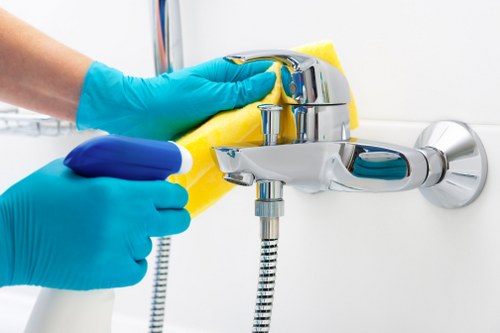
Move out cleaning often reveals the areas that were easy to overlook during the normal working year. It is common to find buildup in places that were hidden by furniture, storage, or equipment. Office environments also collect a mixture of dust, paper debris, food crumbs, fingerprints, and marks from chair movement, all of which can be more noticeable once the room is empty.
Typical challenges include:
- Furniture shadowing: Dust and dirt left under desks, cabinets, and shelving units
- Kitchen residue: Stains in break rooms, around sinks, and on appliance surfaces
- Restroom wear: Mineral marks, soap buildup, and touchpoint grime
- Glass and partition smudges: Fingerprints, dust, and streaks that show up under natural light
- Carpet traffic lanes: Well-used walkways that may need more than standard vacuuming
- Wall marks: Scuffs from chairs, trolleys, boxes, and office equipment
- Hard-to-reach dust: Areas above cabinets, around vents, and along ceiling edges
These are the details that can affect how clean an office appears during handover. A move out clean is not just about looking tidy from the doorway; it is about reducing the visible signs of occupancy across the whole premises. That is why a local team with experience in office vacates can be so helpful.
Important note: Some issues may require specialist treatment beyond standard cleaning, such as paint touch-ups, repairs, or stain restoration. A cleaning team can address many surface-level concerns, but it is always wise to check your lease obligations so you know what falls under cleaning and what may need a separate service.
What local customers value most
When businesses look for office cleaning in move out cleaning, they are often trying to solve more than one problem at once. They need the space cleaned, the timeline respected, and the handover simplified. Local customers usually appreciate a service that understands the practical realities of commercial moves.
Reasons people book a local team
- Faster scheduling: Local crews can often respond more flexibly to tight vacate windows.
- Better knowledge of building access: Familiarity with parking rules, loading areas, and security entry can save time.
- Less disruption: After-hours or staggered cleaning can help avoid interfering with other tenants.
- Practical communication: Local providers understand the expectations of property managers and business owners in the area.
- Efficient coordination: They can work around furniture removals, IT shutdowns, and final inspections.
For many customers, convenience matters as much as cleanliness. When a team understands how commercial sites operate locally, it becomes easier to plan the job and avoid last-minute surprises. This is especially useful in multi-tenant buildings where delivery bays, lifts, and shared hallways must be kept clear.
Office cleaning in move out cleaning should feel like a support service, not another task for your team to manage. The best results come from clear expectations, a practical checklist, and a cleaning crew that knows how to work efficiently in real office environments.
Preparation checklist before the cleaners arrive
Preparing the office properly can make the move out clean more effective and may help the team focus on the real cleaning work instead of moving boxes or dodging leftover clutter. Here is a useful checklist for local office tenants and managers:
Before the appointment
- Remove personal belongings, files, and electronics where possible.
- Arrange for furniture, old equipment, and waste to be taken out before cleaning if the service does not include removal.
- Empty cupboards, drawers, and storage rooms if they are to be cleaned inside.
- Defrost and empty fridges or kitchen appliances in advance if requested.
- Notify the cleaning team about building access, security procedures, and parking restrictions.
- Tell the team if there are fragile surfaces, special floor materials, or any areas needing extra attention.
- Check whether the lease or landlord checklist mentions specific cleaning items.
It can also help to take photos of the office before and after the clean, especially if the property manager requires evidence of the condition at handover. If the property includes shared spaces or common access points, make sure you know exactly which areas are part of your tenancy and which are managed by the building owner.
For larger local offices, it may be useful to split the clean into zones. For example, one day for furniture removal and rubbish clearance, then another for detailed vacate cleaning. That approach can work well in busy commercial buildings where access windows are short and lifts need to be booked in advance.
Pricing factors for move out office cleaning
People often ask what affects the cost of an end-of-lease office clean. While exact pricing depends on the property and the scope of work, the main factors are usually straightforward. Understanding them helps you request a more accurate quote and avoid misunderstandings later.
What influences the quote
- Office size: More rooms, more square footage, and more surfaces usually mean more cleaning time.
- Condition of the premises: Heavily used offices or spaces with built-up dust and marks may require a deeper clean.
- Flooring type: Carpet, vinyl, tile, or mixed flooring can affect equipment and labour needs.
- Inclusions requested: Additional items like internal windows, kitchen appliances, or detailed cupboard cleaning add to the scope.
- Access conditions: Limited parking, stairs, security protocols, or after-hours access can affect logistics.
- Urgency: Tight turnarounds or short-notice bookings may require extra scheduling effort.
- Specialised areas: Reception areas, conference rooms, and shared facilities often require extra detail.
Rather than focusing only on price, many businesses compare what is actually included. A lower quote may not cover the detail required for handover, while a properly scoped service is more likely to address the areas that matter. If you are requesting office cleaning in move out cleaning, it is smart to share photos or a checklist so the quote reflects the real condition of the premises.
Request a free quote once you have your vacate date, floor plan, and key cleaning priorities. The more details you can share, the easier it is to match the job to your timeline and building requirements.
Why office move out cleaning is different from regular office cleaning
Routine office cleaning is about maintaining a workspace week after week. Move out cleaning is different because the goal is to prepare a vacated property for inspection and transition. That means a deeper focus on overlooked surfaces, empty-room presentation, and finish quality.
In a regular service, cleaners may work around staff, equipment, and active use. In a vacate clean, the workspace is ideally empty or nearly empty, which changes the process significantly. Dust can be reached more easily, floors can be cleaned more thoroughly, and hidden marks become visible once furniture is removed. That is why an end-of-lease clean often reveals issues that would never be obvious during normal operations.
Office cleaning in move out cleaning also tends to involve tighter deadlines and more coordination with landlords or property managers. This is especially true in commercial buildings with formal inspection processes. A cleaning team experienced in vacate work can help make the handover feel smoother and more controlled.
Areas covered and local relevance
Local office tenants, landlords, and commercial property managers often need service across nearby suburbs, business parks, central districts, industrial estates, and mixed-use commercial zones. Offices in central areas may be located in high-rise buildings, while outer areas may include ground-floor suites, warehouse offices, or small professional practices near shopping precincts and transport corridors.
Because every area has different access conditions, local experience matters. Inner-city offices may need coordination with elevators, concierge desks, and street parking limits. Suburban offices may offer easier access but still require careful timing around neighboring businesses. Commercial properties near transport hubs can have busy loading areas, and sites in industrial precincts may need attention to dust from nearby trades or warehouse activity.
If your business is in a shared complex, it is also worth checking who is responsible for common areas, entrance foyers, stairwells, and external walkways. A reputable local cleaner will help you understand what belongs in the vacate scope and what sits outside your tenancy. That practical knowledge can save time on the day of cleaning and during final inspection.
For customers searching for office cleaning in move out cleaning, the best local service is one that knows how to work across different building types without causing disruption. Whether you are vacating a small consultancy room, a large corporate suite, or a retail office at the back of a store, local knowledge helps the clean run more smoothly.
Frequently asked questions
Do I need a move out clean if the office was already cleaned regularly?
Usually, yes. Regular cleaning keeps the office presentable during occupancy, but move out cleaning is more detailed. It focuses on the areas that become visible after furniture is removed and on the buildup that may have been hidden during normal use.
Can the service be done after business hours?
In many cases, yes. After-hours service is often preferred for offices because it avoids disruption to staff, visitors, and neighboring tenants. It can also make building access easier if elevators, lobbies, or common spaces are less busy.
What if the office has already been emptied?
That is often ideal. Empty offices are easier to clean thoroughly because surfaces, floors, and corners are more accessible. If some items are still in place, just let the team know so the work can be planned accordingly.
Do you clean carpets and hard floors?
Most move out cleans include vacuuming, sweeping, and mopping as appropriate to the floor type. If carpets need extra attention, such as stain treatment or a deeper clean, mention this during booking so the right method can be discussed.
Can you handle kitchens, lunchrooms, and toilets?
Yes. These areas are usually an important part of the service because they are heavily used and closely inspected. A proper vacate clean should cover sinks, taps, benchtops, cupboards, touchpoints, and sanitary fixtures.
How far in advance should I book?
It is best to book as soon as your vacate date is known, especially if you need after-hours service or a specific turnaround window. Local office moves can be time-sensitive, and earlier booking gives you more flexibility.
Can you work around building access restrictions?
Yes, in most situations. Shared buildings, business parks, and secure office towers often have specific entry procedures, parking arrangements, and lift bookings. Share those details early so the service can be planned properly.
How to choose the right local cleaning team
Not every cleaning service is set up for commercial vacate work. When choosing a local provider, look for signs that they understand office handovers, not just general tidying. They should be comfortable working in professional spaces, following building rules, and adjusting to the schedule you need.
A strong provider will ask sensible questions about the size of the office, the condition of the floors, the type of surfaces, and the access arrangements. They should also be clear about what is included and what may need to be added separately. That kind of clarity is particularly useful when you are already busy with relocation tasks.
If you are comparing options for office cleaning in move out cleaning, think about practicality, reliability, and communication. A local company with commercial experience can often provide a smoother process than a general cleaner who may not be familiar with end-of-lease expectations or office building logistics.
Book office cleaning in move out cleaning with confidence
When the move is coming up, leaving the office spotless can feel like one more thing on a very long list. The right local service helps you take that pressure off your team and focus on the transition itself. From reception areas and meeting rooms to kitchens, bathrooms, and storage spaces, a detailed vacate clean supports a cleaner handover and a more professional finish.
If you are preparing to leave a commercial property, now is the right time to organise your cleaning plan. Contact us today to discuss your office size, access conditions, and preferred timing. If you already know your vacate date, request a free quote and book your service now so the clean fits smoothly into your moving schedule.
Book your service now and make office cleaning in move out cleaning one less thing to worry about during your relocation.
Useful reminder for tenants and managers
Always check your lease or handover checklist before the final clean so you know which areas need special attention, whether appliances must be cleaned inside and out, and if any shared spaces are included in your responsibility.
Final note
Office cleaning in move out cleaning works best when it is planned early, scoped clearly, and carried out by a local team that understands commercial properties, building access, and the standards expected at handover.