Insurance and Safety for Move Out Cleaning
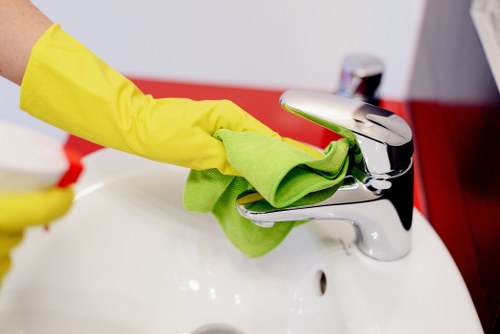 Move Out Cleaning should never be treated as a routine task only about dust and polish. It is a detailed service that often involves ladders, cleaning products, heavy lifting, and work in occupied or recently vacated homes. That is why safety and insurance sit at the heart of every professional move out cleaning service. A well-managed move out cleaning process protects the property, the people carrying out the work, and anyone else who may be nearby.
One of the most important protections is public liability insurance. This cover helps safeguard clients and the business if accidental damage or injury happens during the job. For example, if a cleaner unintentionally slips on a wet floor or a fragile fixture is damaged while cleaning, public liability insurance provides an essential layer of confidence. In the world of move out cleaning services, where properties can include delicate surfaces, appliances, and fittings, this kind of protection is not optional in practice; it is part of responsible service delivery.
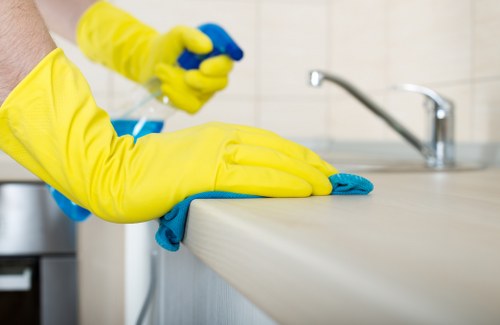 Insurance also supports the broader standards expected from a professional move out cleaner. Clients want reassurance that the team entering the property is insured, trained, and prepared for the unexpected. This is especially important during end of tenancy work, when time pressures are high and the property may have hidden hazards. With the right cover in place, move out cleaning insurance helps create a safer, more reliable experience for everyone involved.

Training, Preparation, and Safe Working Practices
Staff training is a key part of safe and effective move out cleaning. Every cleaner should understand how to use equipment correctly, how to handle cleaning chemicals safely, and how to work around sharp edges, awkward spaces, and breakable items. Training should also cover the correct way to lift, carry, and move items so that injuries are less likely. When a team is properly trained, the quality of the move out cleaning service improves while risks are reduced.
Training is not just a one-time event. A responsible move out cleaning company reviews procedures regularly so staff remain up to date with safe practices. New cleaners should receive an introduction to site hazards, chemical labels, and emergency steps before they begin work. Ongoing refreshers help reinforce key habits such as keeping walkways clear, reporting damaged fittings, and avoiding unsafe shortcuts. In professional move out cleaning services, consistency matters as much as speed.
PPE: Personal Protection for Every Job
Proper PPE, or personal protective equipment, is another essential part of the safety framework. Depending on the task, this may include gloves, masks, eye protection, slip-resistant footwear, and aprons or coveralls. PPE helps reduce exposure to dust, cleaning chemicals, mould, and other contaminants that may be present in a property after tenants have left. In a move out cleaning setting, PPE is not only about compliance; it is about protecting staff so they can work effectively and comfortably.
Choosing the right PPE depends on the work being done. For instance, heavy-duty gloves may be needed when cleaning kitchens or bathrooms, while masks can help reduce inhalation of dust during deep cleaning tasks. Footwear with good grip is important where floors may be wet or slippery. The best move out cleaning teams make sure PPE is available, properly fitted, and used consistently. Safety equipment should be checked before each job so that damaged items are replaced promptly.
Risk Assessment Process
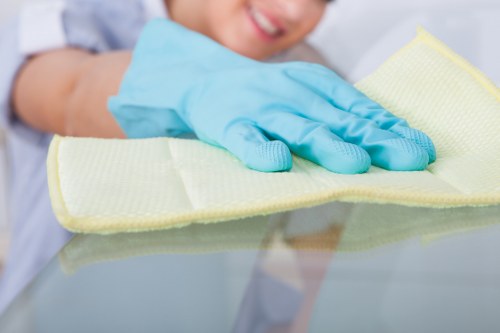
The risk assessment process is where safe practice begins. Before work starts, the team should identify possible hazards in the property and judge how likely they are to cause harm. This can include loose carpets, exposed wiring, wet surfaces, broken glass, poor lighting, blocked access, or residues from previous occupants. A thorough move out cleaning risk assessment allows the team to plan the job with care and reduce the chance of accidents.
After hazards are identified, control measures are put in place. These may include using warning signs, separating tasks, ventilating rooms, assigning the right cleaning products, and deciding whether certain areas need extra caution or should be left until later. A strong move out cleaning service will also review the property layout, check for access issues, and make sure equipment is suitable for the space. This careful approach supports both worker safety and property protection.
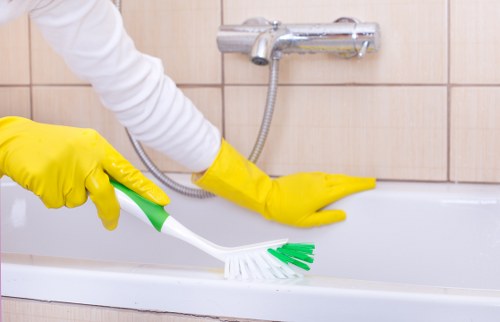 Risk assessment does not end once the cleaning begins. Conditions can change during the job, especially when water, dust, or movement exposes new problems. That is why cleaners should keep monitoring the area and adjust their method if a new hazard appears. In professional move out cleaning services, the risk assessment process is active, not static. It helps staff respond to real conditions instead of relying only on an initial checklist.
Why Safety and Insurance Matter Together
Public liability insurance, staff training, PPE, and risk assessment work best as a complete system. Insurance offers financial protection if something goes wrong, while training and PPE help prevent incidents in the first place. Meanwhile, risk assessments provide the structure needed to spot and manage hazards before they cause damage or injury. For any move out cleaning provider, these elements show professionalism and a genuine commitment to safe working standards.
Clients benefit too. When a team demonstrates strong move out cleaning safety procedures, it creates trust and reduces stress during an already busy transition. A property can be cleaned thoroughly without unnecessary risk, and the service can be carried out with better efficiency and care. By combining insurance, staff training, PPE, and an effective risk assessment process, a move out cleaning company can deliver dependable results while keeping everyone protected.