Health and Safety Policy for Move Out Cleaning
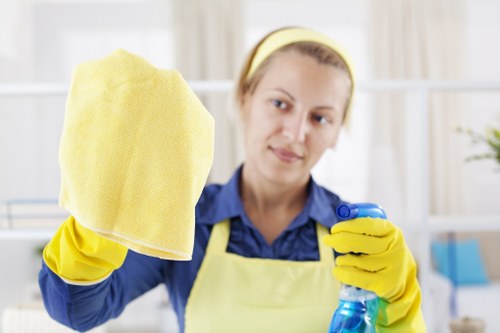 This health and safety policy sets out the standards required for every move out cleaning task. Its purpose is to protect cleaners, clients, occupants, and anyone who may enter the property during or after the work. A safe approach supports consistent results, reduces accidents, and ensures that end of tenancy cleaning is carried out responsibly.
All staff must follow safe working practices at every stage of the moving out clean process. This includes planning the job, using equipment correctly, handling chemicals carefully, and maintaining awareness of hazards such as wet floors, sharp objects, dust, mould, and unstable furniture. Safety is not optional; it is part of the service standard.
Before any move-out cleaning begins, the property should be assessed for visible risks. These may include broken glass, exposed nails, damaged fittings, blocked walkways, poor lighting, or signs of pest activity. Hazards must be reported and controlled before cleaning starts so that the team can work in a stable environment.
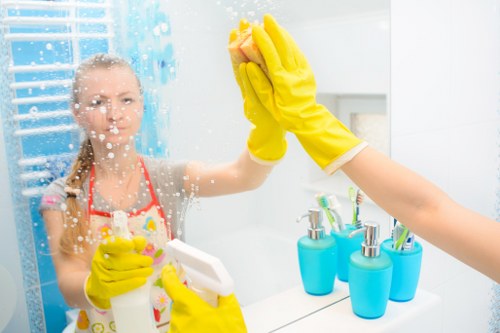
Personal protective equipment is required whenever the task presents a risk. This may include gloves, non-slip footwear, masks, eye protection, and aprons. The correct equipment should be selected for the job, worn properly, and checked before use. For example, when dealing with strong detergents or heavy dust, the team must use the right protective measures.
Cleaning products used during move out cleaning services must be stored, labelled, and handled according to manufacturer instructions. Chemicals should never be mixed unless the product guidance clearly allows it. Staff must avoid unsafe use of bleach, ammonia, or acidic products, as dangerous fumes can result. Ventilation should always be maintained when cleaning enclosed rooms.
The safe handling of equipment is equally important. Vacuum cleaners, mops, steam machines, and extension leads should be inspected before use to confirm that they are in good condition. Damaged tools must be removed from service immediately. Cables should be arranged to prevent tripping, and electrical equipment should not be used near standing water unless it is designed for that purpose.
 Working at height is sometimes necessary during vacate cleaning, especially for reaching shelves, cupboards, and tops of fixtures. Only appropriate step stools or ladders should be used, and they must be stable and positioned on level ground. Staff should never overreach or stand on furniture. If a task cannot be completed safely, it must be reassessed rather than forced.
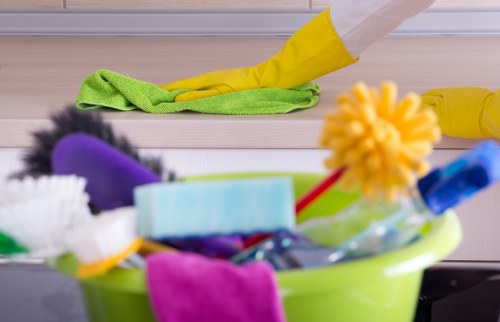 Manual handling is another key part of the policy. Heavy bags, boxes, appliances, and furniture should be moved using safe lifting methods and, where needed, team assistance. Staff should plan the route before lifting, keep loads close to the body, and avoid twisting. When an item is too heavy or awkward, mechanical assistance or additional help must be used.
Good housekeeping is essential during the end of lease cleaning process. Tools, cloths, buckets, and packaging must be kept tidy so that walkways remain clear. Spills should be cleaned immediately, and warning signs should be used when floors are wet. This reduces the risk of slips, trips, and falls, which are among the most common cleaning-related incidents.
In properties where dust, mould, or allergens are present, staff should take extra care to limit exposure. Surfaces may need damp wiping instead of dry dusting to reduce airborne particles. Masks and gloves should be worn where needed, and the area should be ventilated during and after cleaning. Any severe contamination should be escalated before work continues.
Infection control is also part of move out house cleaning. Cloths and mop heads should be changed regularly to prevent cross-contamination between bathrooms, kitchens, and living areas. High-touch points such as handles, switches, taps, and appliance controls should be cleaned with suitable products. Waste should be removed promptly and disposed of hygienically.
Staff must remain alert to potential biohazards. Items such as bodily fluids, needles, spoiled food, mould growth, or animal waste require special handling. These materials should not be touched without the correct protection and procedure. If a serious hazard is found, the area should be isolated and the issue reported for further action.
Training is a central part of this policy. Every worker involved in move out cleaning must understand safe chemical use, equipment operation, manual handling, and emergency response. Supervisors are responsible for ensuring staff can carry out their duties confidently and safely. Refresher training should be provided when procedures, products, or equipment change.
Accident and incident reporting must be followed whenever an injury, near miss, or unsafe condition occurs. Reports should include what happened, where it happened, and what control measures were in place. This information helps improve future safety measures and supports a culture of prevention. All incidents must be reviewed so lessons can be applied to later jobs.
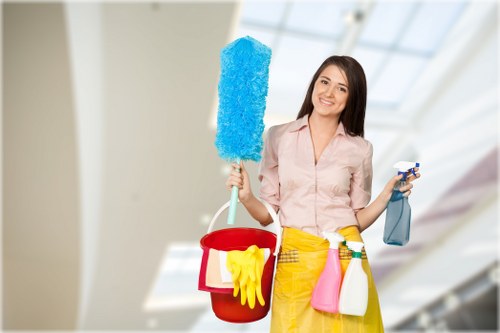 Emergency preparedness is required on every site. Staff should know what to do in the event of fire, chemical exposure, cuts, falls, or suspected gas leaks. First aid materials should be available where appropriate, and no one should continue working if they are injured or unwell. If a serious risk arises, the team must stop work and leave the area safely.
 This policy applies to all move-out cleaning services carried out by the business and should be followed by employees, supervisors, and anyone acting on behalf of the company. Managers are responsible for monitoring compliance, reviewing procedures, and updating safety measures when required. By following these standards, the business can provide reliable exit cleaning while protecting people and property.
Health and safety are part of professional quality. When every move out cleaning policy requirement is respected, the result is not only a cleaner property but also a safer working environment for everyone involved.